About us
Rooted in community, guided by lived experience.
Where we started
It began with a conversation
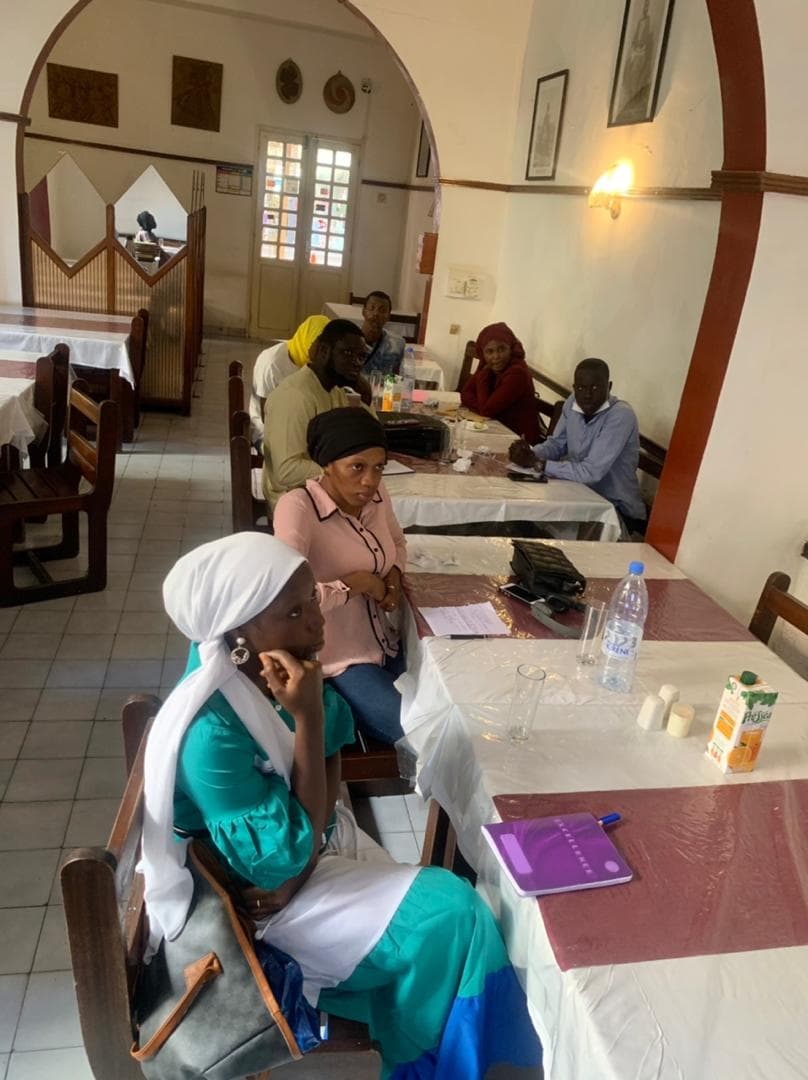
WASSOR was founded by Bineta Gueye Thiam, a psychologist who recognised how often women’s psychological distress goes unseen, in Senegal and beyond. Divorced women, widows, single mothers, women with caring responsibilities, incarcerated women, and women who are migrants or refugees are too often left out of mental-health services that were not designed around their lives.
WASSOR began with conversations in the community. In online spaces, specialists and people with lived experience spoke openly about psychological distress and challenged stigma together. Those conversations led to the programmes, partnerships and research that shape our work today.
Where we are now
WASSOR Womanity is a Senegalese nonprofit association: Association pour la vulgarisation de la détresse psychologique et la promotion de la femme « WASSOR Womanity ». NINEA 011316917; récépissé N°00021134/MINT/DGAT/DAPA. Registered office: 68 Rue Wagane Diouf X Carnot, Dakar, Senegal. Today WASSOR leads the Empower Minds Initiative with support from Being, hosted by Grand Challenges Canada, works with Senegalese public institutions, and collaborates with specialists in Senegal and internationally. As we grow, we remain accountable to the communities whose trust makes this work possible.
Our approach
What guides our work
Led by communities
Kafoo cooperatives, women’s networks and ecological knowledge passed between generations are our starting points. We work with communities to strengthen the structures that sustain them.
Decolonial and Womanist ethics
Our methods draw on Africana Womanism and Participatory Action Research. Communities are knowledge holders and co-investigators who shape the questions, the work and their own solutions.
Academically rigorous
Our work draws on culturally validated tools and participatory research. The knowledge we produce belongs to communities and helps funders and policymakers understand their realities.
Trauma-informed throughout
Across every programme and every interaction, we are guided by a commitment to reducing re-victimisation and honouring the dignity and autonomy of the people we work with.
Our values
How we work
for the dignity, privacy, and autonomy of every individual and community we work with
we examine our own assumptions and position, and are honest about what we can do and where our limits lie
we explain our decisions and the choices we make in our work with others
we do everything we can to reduce re-victimisation
we believe in the capability of our communities to bring about change for themselves and future generations